Okavango Delta Safari: 5 Incredible Reasons This Experience Is Unforgettable
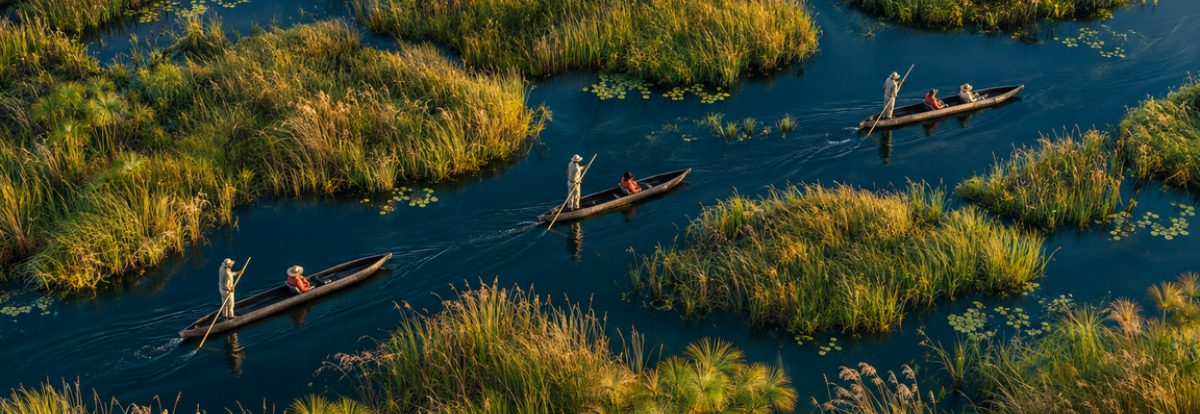
Okavango Delta safari offers a wildlife experience unlike anywhere else in Africa. In this inland wetland in Botswana, seasonal floodwaters shape where wildlife gathers, which routes are accessible and whether you explore by safari vehicle, on foot or aboard a traditional mokoro canoe.
From winding waterways and flooded grasslands to remarkable wildlife encounters, discover what makes this unique safari destination so special.
A flood that arrives when the rain has gone
The Okavango River carries rainwater from the Angolan highlands into north-western Botswana. By the time that water spreads across the Delta, Botswana is already in its dry season. The river fans out into the Kalahari Basin, feeding year-round channels and marshes as well as floodplains that spend part of the year dry. This inland wetland is a UNESCO World Heritage Site.
The flood reaches different parts of the Delta at different times, and its reach varies from year to year. When a low-lying plain fills, shallow water can open a route for canoes. Elsewhere, islands and woodland give wildlife dry ground. The tracks a guide can follow, and the animals you might find along them, change with the water.
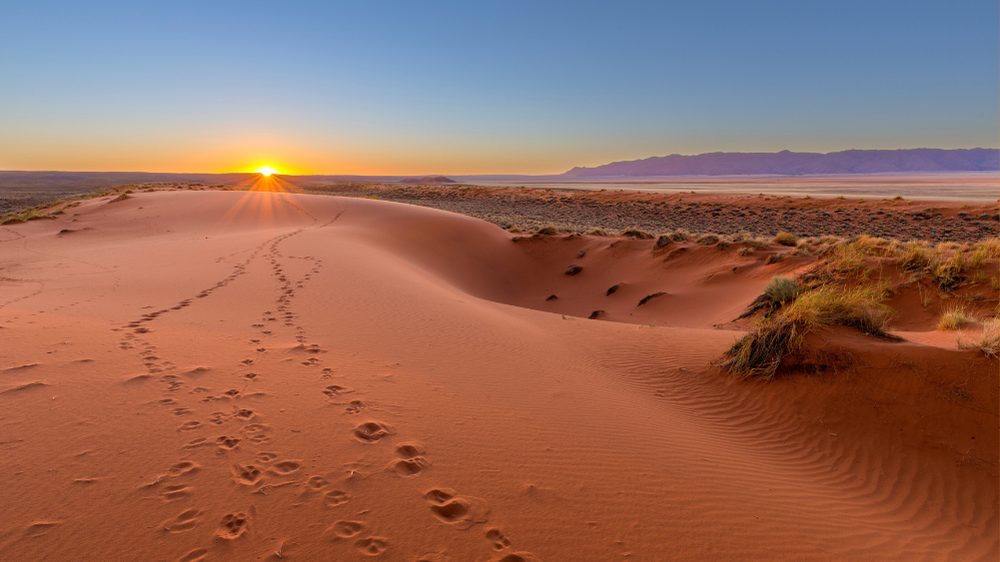
What you notice from a mokoro
A mokoro is a traditional dugout-style canoe, steered from the stern by a guide with a long pole. You sit low, moving at the speed of each push. A kingfisher on a reed or a tiny frog clinging to a stem can hold your attention for minutes. With the guide doing the poling, you have both hands free for binoculars, and plenty of time to watch.
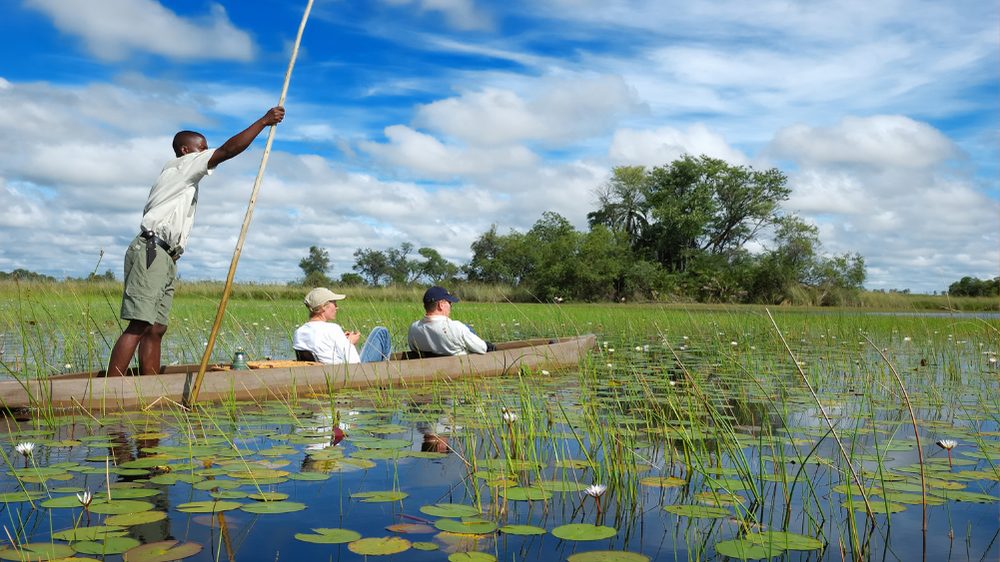
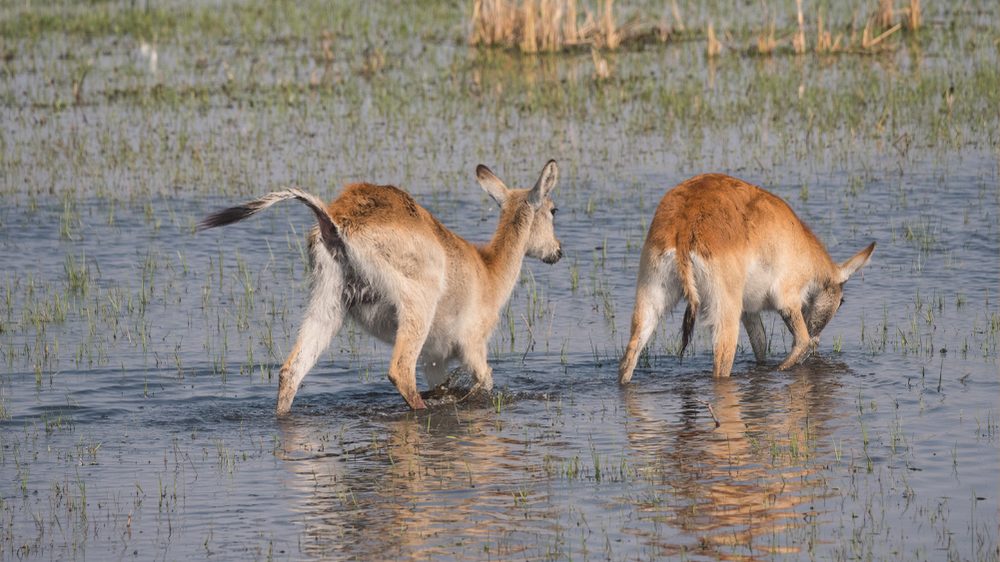
That low vantage point makes the edge of the water especially interesting. You might see red lechwe, antelope that move easily through flooded grass, or an elephant feeding along a bank. On dry ground, a game drive can cover more of the woodland and open plains, while a guided walk gives you time to stop at a set of tracks and hear what your guide makes of them. Each outing puts a different part of the Delta within reach.
The camp matters as much as the month
If a mokoro outing is the experience you have in mind, find out whether your camp sits on a permanent channel or depends on the seasonal flood. A camp with reliable water access may offer water activities across more of the year. At a seasonal camp, the canoe routes may depend on how far the flood has reached. High water can also limit some game-drive routes. Ask which outings are usually possible at that particular camp when you plan to travel.
Give yourself a few nights if you can. After an afternoon on the water, you might spend the next morning following tracks on dry ground or watching the same bank from camp as the light changes. Some of the moments you remember most can be small. A guide holds the pole still, the ripples settle, and you finally spot the bird they’ve been pointing to.
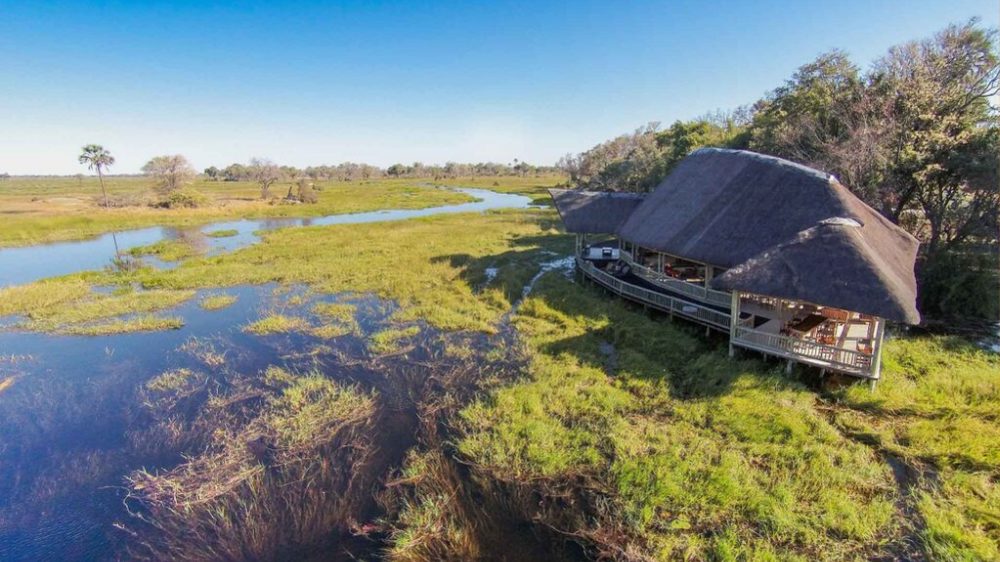
Experience the Okavango Delta Safari with Sedunia Travel
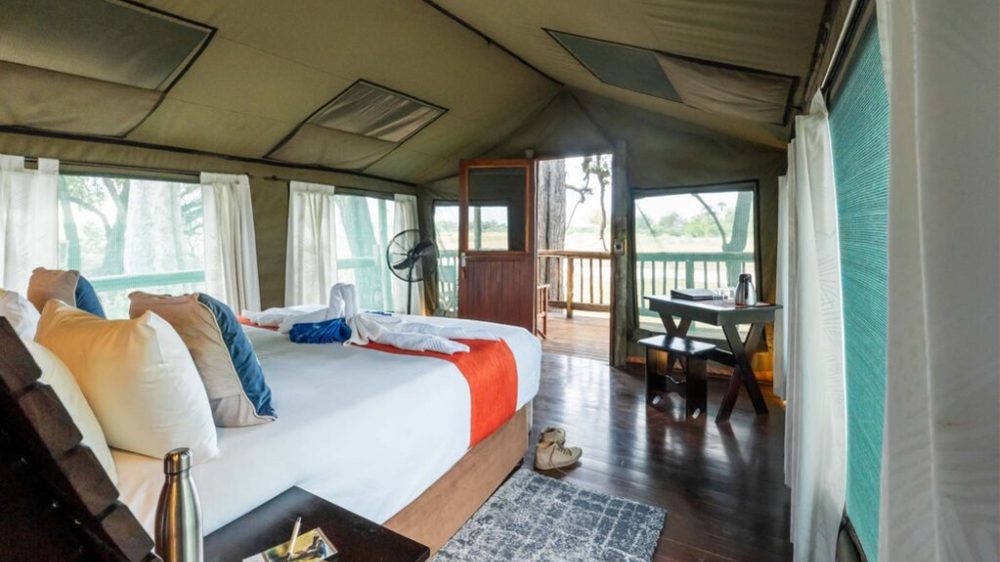
Spend three nights at Moremi Crossing on Sedunia Travel’s 14D11N Southern Africa Explorer & Okavango Delta small group journey. The trip departs Kuala Lumpur on 22 July 2027 and is guaranteed to depart with a minimum of two travellers.